Updated 10 October 2026
Hardwiring for Parking Mode in India (2026)
Hardwire kits, fuse taps, low-voltage cutoffs, OBD cables, and battery packs for Indian cars — so parking mode works without killing the starter battery.
Why parking mode needs a hardwire kit
The cigarette lighter dies with the ignition on most Indian cars. Parking mode that only runs while you drive is not parking mode. A hardwire kit (or a dedicated dash-cam battery pack) keeps a constant 12V feed to the camera with a low-voltage cutoff so overnight recording cannot flatten the starter battery before a Monday commute.
If you only remember one rule: no constant power → no reliable overnight parking clips. Everything else in this guide is how to do that safely in Indian hatchbacks, sedans, and SUVs.
Kit types: ACC + BATT vs OBD vs battery pack
Classic hardwire (ACC + BATT + GND): three wires. BATT taps a fuse that stays live, ACC taps an ignition-switched fuse, GND goes to chassis. The camera uses ACC to know when you are driving and BATT for parking buffer. This is the cleanest long-term install.
OBD cable kits: plug into the OBD-II port under the dash. Fast to fit, no fuse taps. Some cars nag about parasitic drain or throw accessory warnings; EVs and newer cars can be picky. Fine for a trial; fuse hardwire is better for daily drivers.
External battery packs (Cellink-style): charge while you drive, then power the camera when parked without touching the starter battery. Best when you park for days or refuse fuse work. Cost and cabin space are the trade-offs.
Low-voltage cutoff: the number that saves your morning
Most kits cut around 11.8–12.2 V. In Mumbai monsoon humidity or Delhi winter mornings, a weak battery may already sit near the low end — raise the cutoff if you get no-starts. EV 12V accessory systems vary; follow the car maker’s guidance before you hardwire.
Test after install: park overnight, confirm an event file exists, then check cranking voltage the next morning with a cheap multimeter.
Fuse taps without breaking safety systems
Use a multimeter to find a true constant fuse and a true ACC fuse. Avoid airbag, ABS, and ECU circuits. Add-a-circuit / fuse-tap adapters should keep the original fuse in place and add a correctly rated fuse for the camera leg. If you are not fuse-confident, budget ₹500–₹1,500 for a car-audio installer in most Indian cities — cheaper than a dead battery or a warranty argument.
Heat, supercapacitors, and Indian summers
Parking mode writes more hours than driving. Pair hardwire with a supercapacitor camera when you can — lithium cells inside cheap cams swell in closed cabins. Mount out of direct sun, disable WiFi when unused, and use a high-endurance microSD (not a phone card). Format in-camera monthly.
See our parking-mode rankings for capacitor + parking kits, and individual review FAQs for operating temperature claims.
Sensitivity, storage, and false triggers
Basement parking with slow trolleys needs lower motion sensitivity than a quiet villa driveway. Impact/buffered modes catch hit-and-runs better than sparse time-lapse alone. Use 128–256 GB high-endurance cards if you leave the car for long weekends.
After any firmware update, re-test wake-on-impact and WiFi export of a parking event.
Dash cam + phone on one 12V socket
Do not run parking mode from a shared cigarette-lighter charger. Hardwire the cam; use a dual-port PD charger for phones. More detail: car chargers for dash cam + phone.
Checklist before you trust the install
-
Camera arms parking mode after ignition off.
-
Cutoff voltage is set and tested.
-
Front (and rear, if dual) write an event on a controlled tap.
-
App can download the parking file over WiFi.
-
Car still starts after overnight park.
When that list passes, parking mode is real — not a box checkbox.
Recommended models

VIOFO A329S Dual Channel
Exceptional day and night clarity — Handles extreme Indian heat
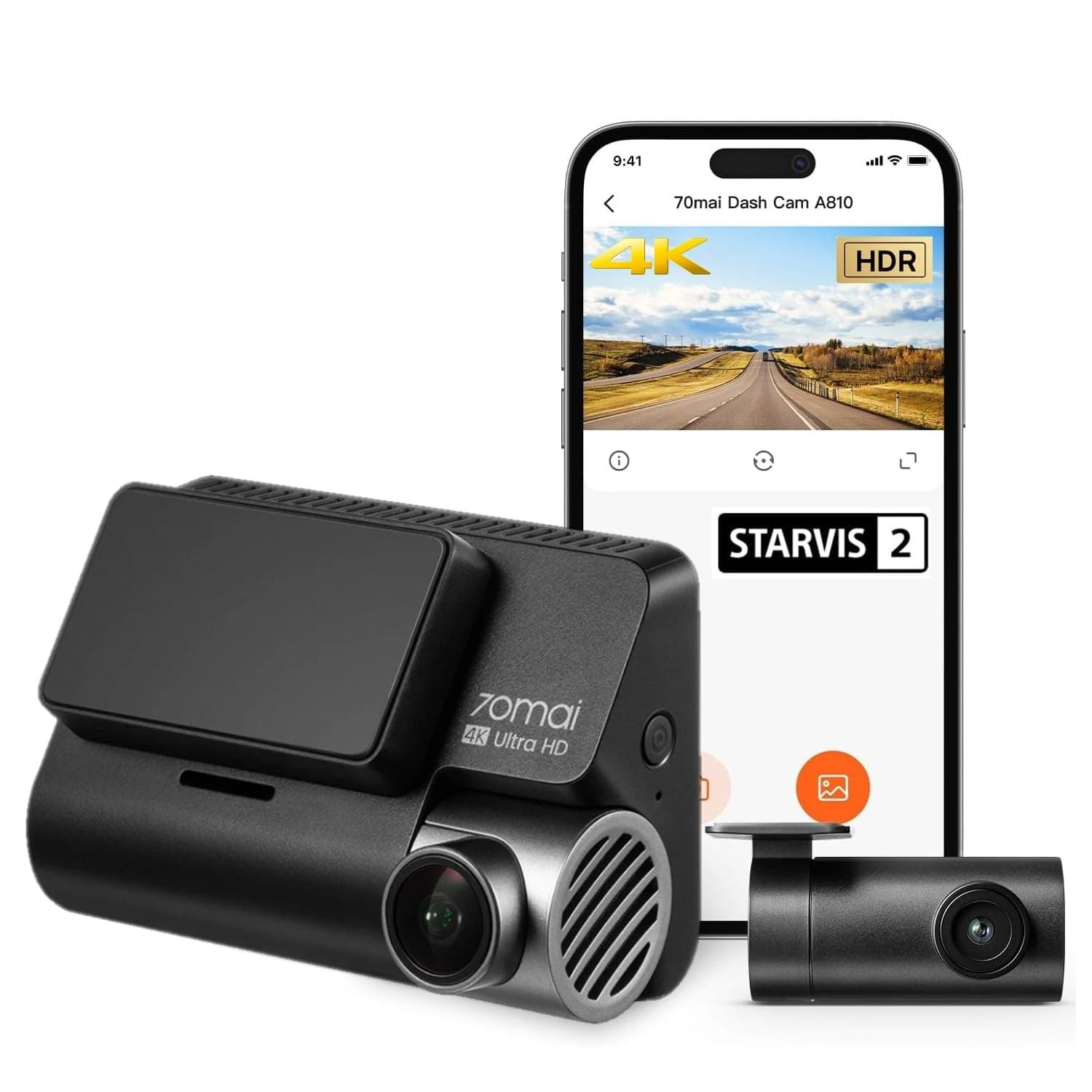

70mai A810 True 4K HDR
Outstanding low-light video — Smart safety alerts
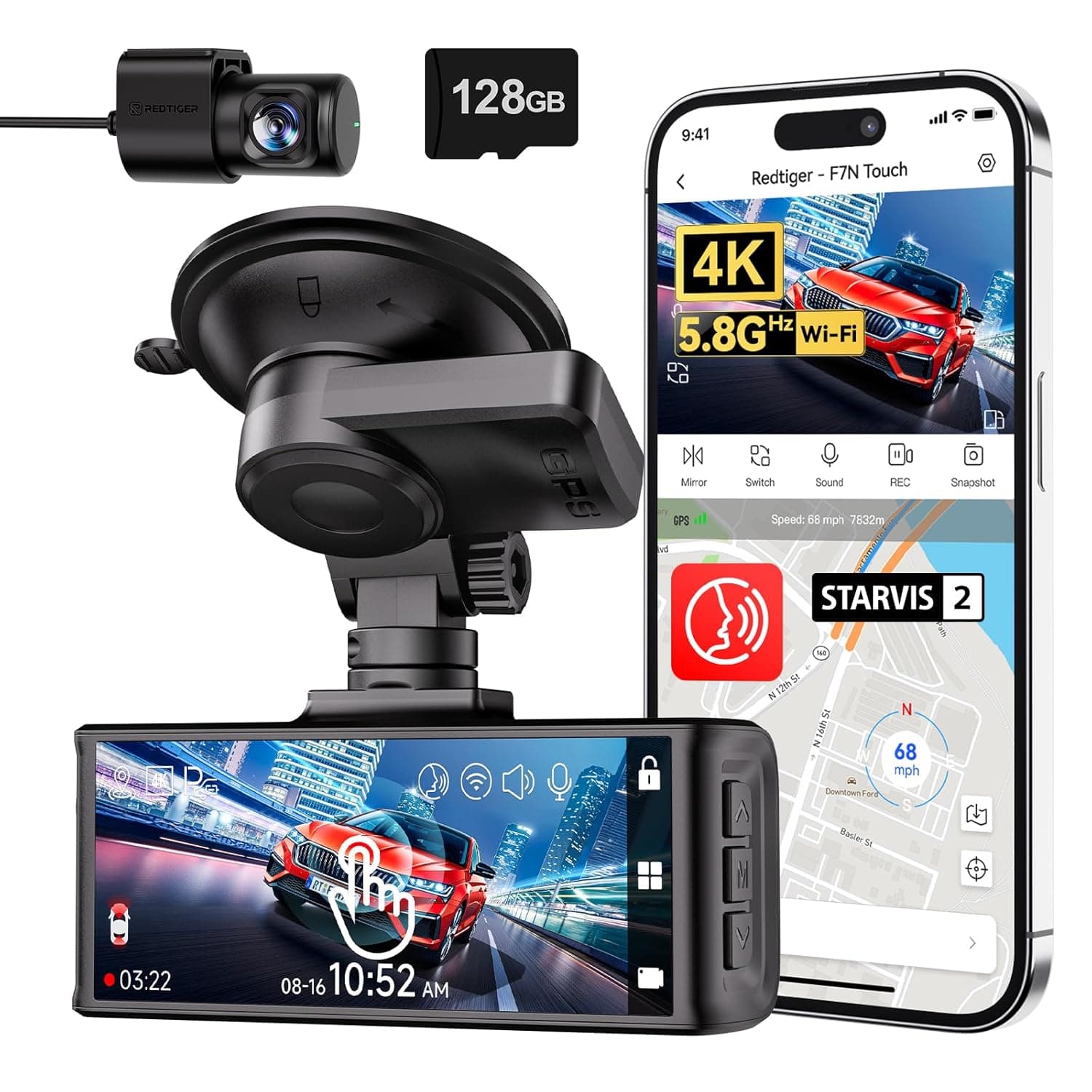

Redtiger F77 Dual 4K
True dual 4K recording — Touchscreen for easy controls
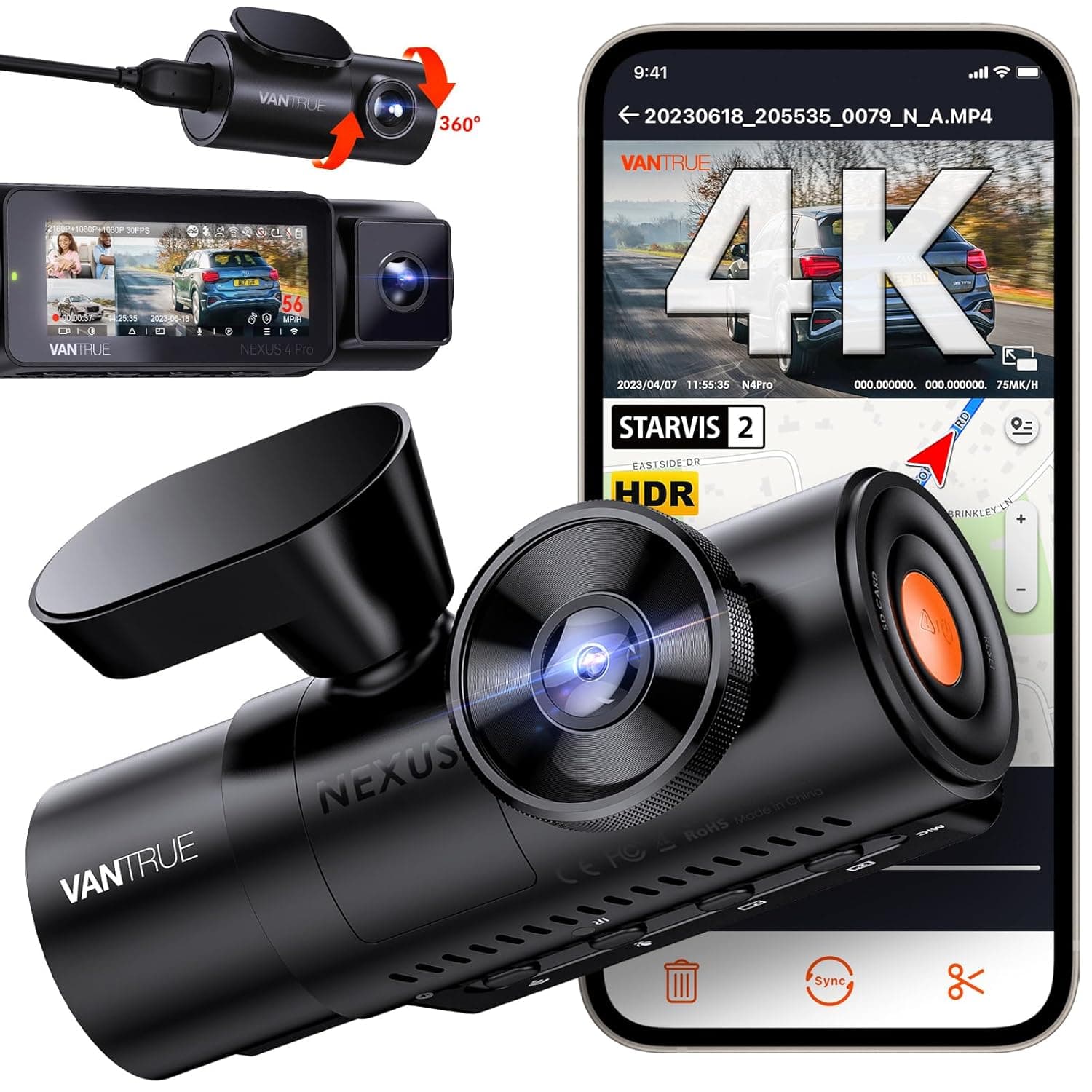

Vantrue N4 Triple Channel
Complete 3-way coverage — Perfect for rideshare/taxi
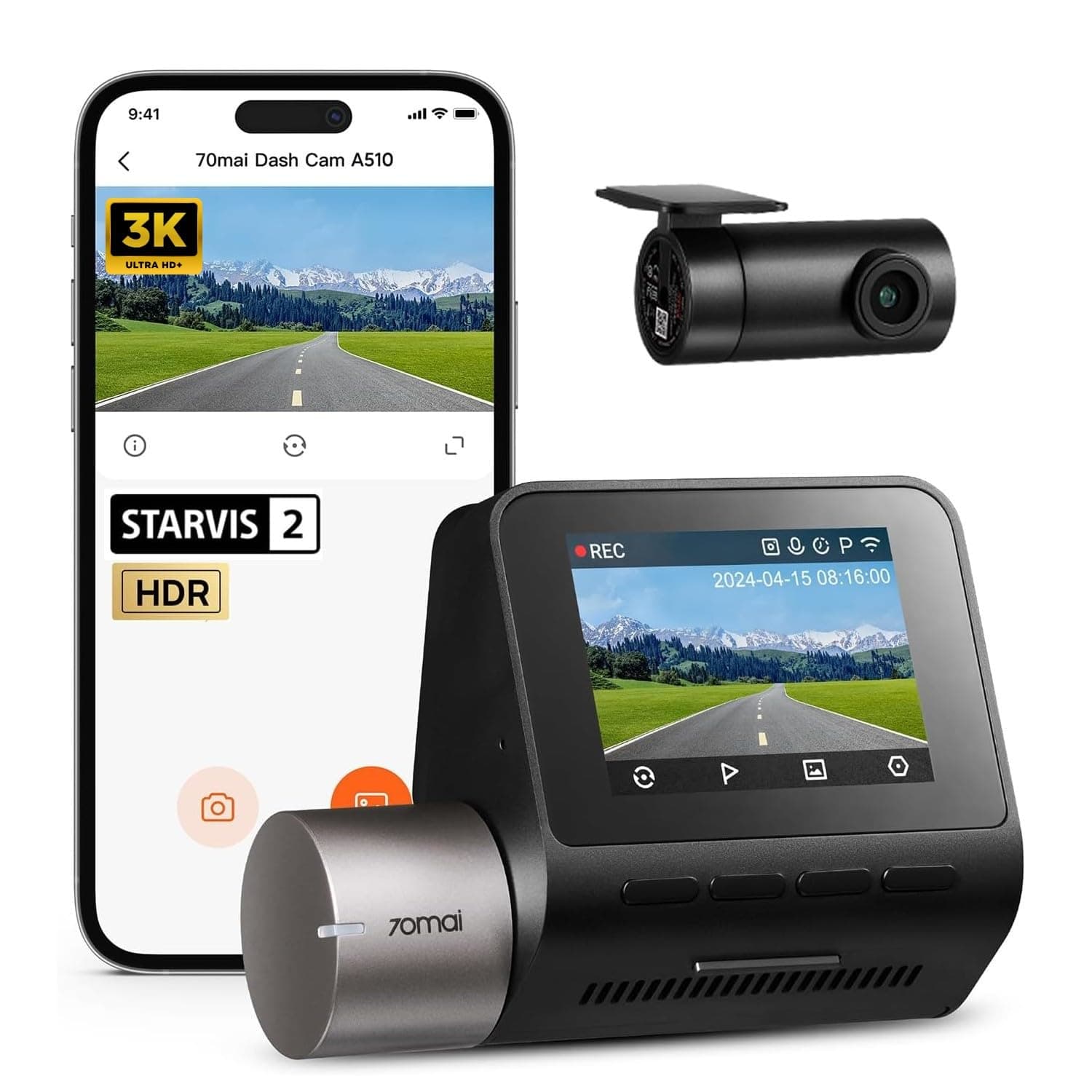
70mai A510 Dual Channel
STARVIS 2 night clarity and GPS — the sweet spot for dual-channel in India
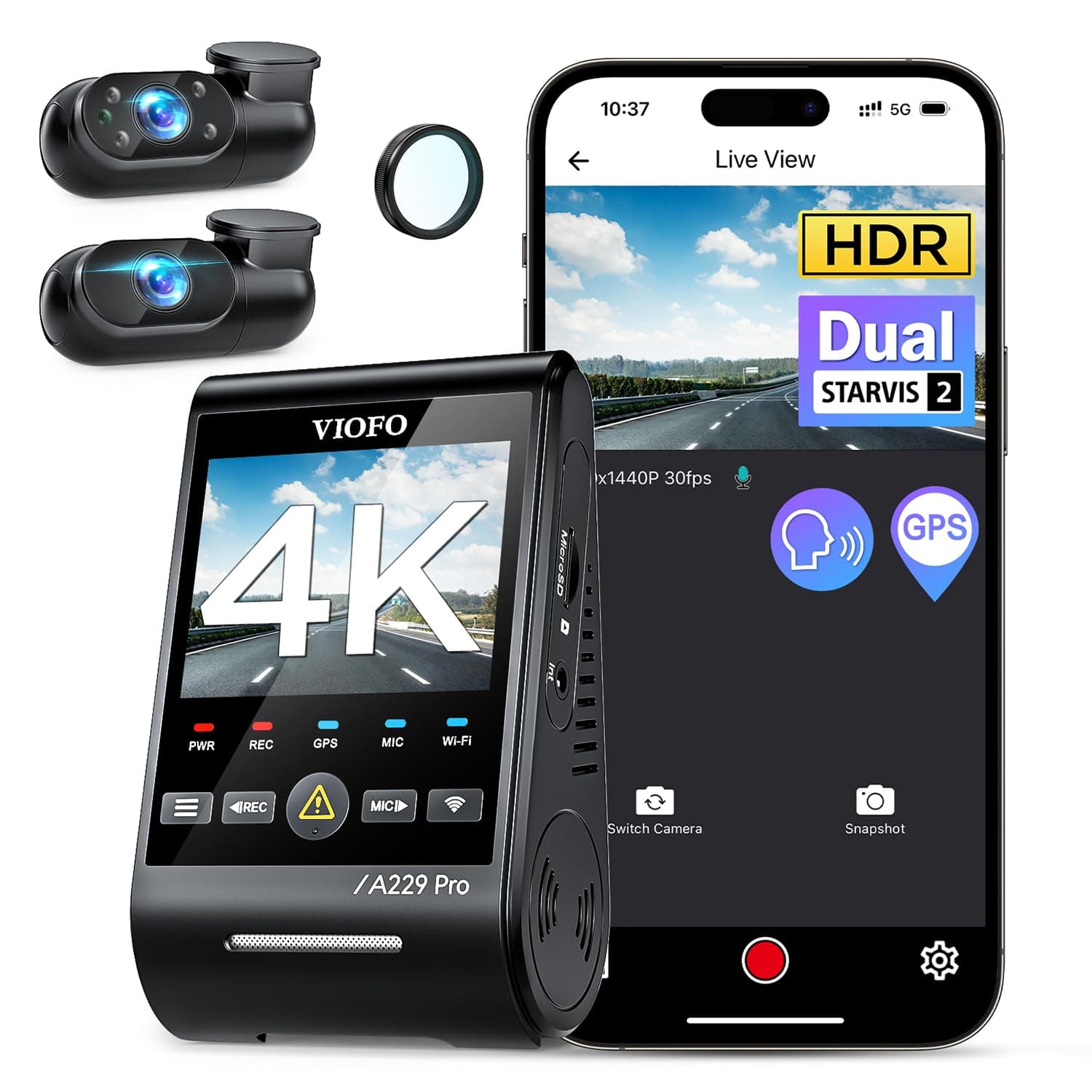
VIOFO A229 Pro Triple
Flexible expansion options — 4K front with STARVIS 2
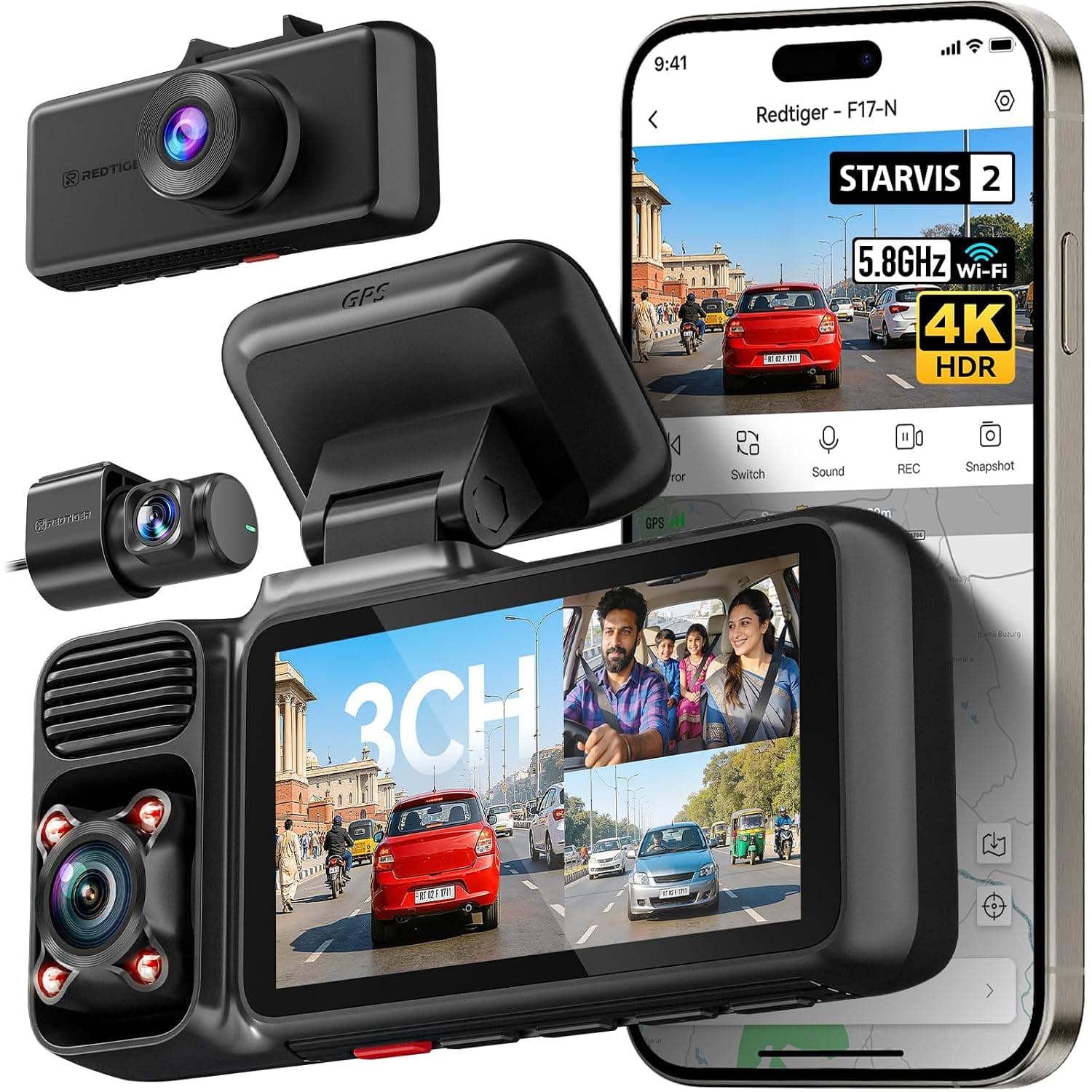
Redtiger F17 Triple 4K
4K STARVIS 2 front + 1080p cabin + 1080p rear — GPS, WiFi, supercapacitor
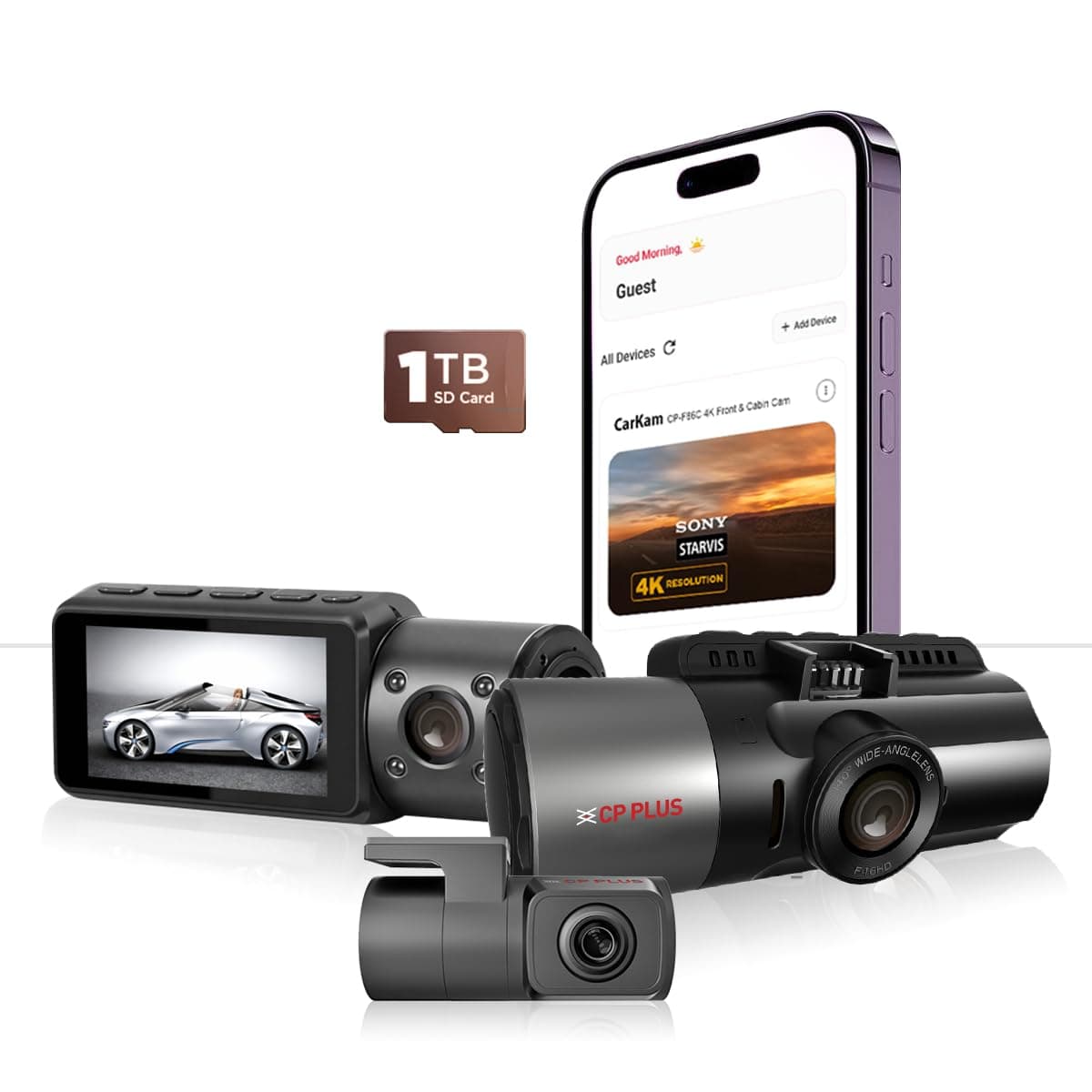

CP PLUS CP-F86C Triple Channel
4K front + cabin + rear CarKam kit with GPS, STARVIS, and supercapacitor
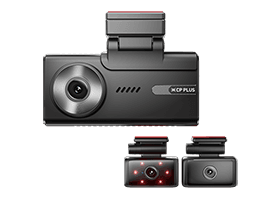
CP PLUS CP-F83C Triple Channel
4K triple-channel CarKam with 4″ touchscreen, GPS, and ADAS (with mode trade-offs)