Updated 6 July 2026
How to Choose a Dashcam in India (2026)
India-specific buying guide distilled from Reddit (r/CarsIndia, r/carIndia, r/DashcamIndia): heat-safe power, STARVIS 2 sensors, dual-channel setups, price bands, and a step-by-step checklist.
Choosing a dashcam in India is different from Western advice. Prioritize a supercapacitor-based unit (not Li-ion) for heat safety, a Sony STARVIS 2 sensor for usable night footage, and at least a dual-channel (front + rear) setup. Match brands and features to your budget — roughly ₹10–15k for a strong mid-range setup, ₹25–30k for high-end reliability.
Use our dashcam finder for a personalized shortlist, or browse best dashcam rankings once you know your budget band.
Clarify your use case first
Reddit users repeatedly emphasize that the "best" dashcam depends on how you drive and why you're buying it.
Key questions to decide upfront:
- Do you only want evidence for accidents, or also parking-lot surveillance and road-rage incidents? Long parking surveillance leans you toward hardwiring for parking mode and better night sensors.
- Do you drive mostly in cities at night, or in bright sun (Bengaluru, Delhi, etc.) where exposure and heat are issues? Indian users mention sunny-day over-exposure and night plate legibility as persistent pain points.
- Do you carry passengers (carpool, taxis, rideshare) and need cabin recording for disputes? Several threads recommend three-channel setups or cabin cams if you often carpool.
Once you answer these, it becomes much easier to pick specs and a price band that's actually worth paying for.
Sensor, resolution and night performance
Resolution vs real-world clarity
Most Reddit advice converges on the idea that 2K/3K/4K resolution helps, but it's not the only factor that lets you read license plates.
- 2K or 4K dashcams are generally good in daylight, but plate readability still drops sharply at night or in rain.
- Higher-than-1080p resolution (e.g., 2.5K, 3K, 4K) plus a decent sensor is recommended if you care about zooming into footage later.
Sony STARVIS 2
Multiple recent threads explicitly call out Sony STARVIS 2 as the main differentiator for Indian night driving.
- Users recommend choosing dashcams that mention "Sony STARVIS 2" in the specs; models like the 70mai A510 and VIOFO A229 series are commonly cited examples.
- STARVIS 2 significantly improves low-light performance and makes it easier to capture license plates compared to older or cheaper sensors.
- Even with STARVIS 2, you'll usually read plates only at closer distances; some users still describe night plate capture as lacking and recommend calling out plate numbers aloud so they're at least captured in audio.
Lens, bitrate and field of view
- A wide but not extreme field of view is better; too wide makes cars small and plates harder to read. Aim for around 130–140°.
- Higher bitrate (less compression) matters, especially in motion; cheaper dashcams may advertise resolution but save heavily compressed footage.
When comparing products, look for explicit mentions of Sony STARVIS 2, a sensible FOV, and user comments about clarity in motion — not just static sample screenshots.
Power: supercapacitor vs Li-ion in Indian heat
This is one of the biggest India-specific insights from Reddit, and it's very different from Western advice.
Why supercapacitors are strongly preferred
Numerous Indian Redditors warn against Li-ion battery-based dashcams in hot climates, and urge buying supercapacitor-based units.
- Users report repeated heating and connectivity issues, plus long-term reliability concerns, with Li-ion-based 70mai units in Indian summers.
- Supercapacitor cameras are described as safer to use in heat and less likely to swell or catch fire in extreme temperatures.
- One detailed advice thread explicitly says: "Always buy a camera with super capacitor. These cameras won't catch fire due to high temperature."
Reddit examples of supercapacitor models mentioned:
- Redtiger F7N — highlighted for using capacitors and being safer in Indian heat.
- VIOFO A229 series — repeatedly praised and noted to use capacitors.
- Some DDPAI dual-channel models, cited with super capacitor in product specs and recommended under ₹10–12k.
Parking mode and hardwiring
If you need parking-lot surveillance, Reddit users strongly recommend a proper hardwire kit plus capacitor-based dashcam. See our hardwiring for parking mode guide for voltage cutoffs and fuse-tap tips.
- For a 70mai A510, a typical Indian Reddit breakdown is: ~₹12k for the dashcam, ~₹1k for a 128GB card, and ~₹2k for a hardwire kit, totalling about ₹15k for a dual-channel parking-mode capable setup.
- Hardwire kits should be specifically compatible with your model; users caution to check compatibility with the dashcam before buying.
- Parking mode is only useful if your wiring is neat and doesn't void warranty.
Channels: front, rear and cabin
Dual-channel (front + rear)
Most Reddit respondents in India say you should at least go with a dual-channel dashcam.
- Front-only is fine for simple evidence, but rear hits, tailgating, and people reversing into you are common in Indian traffic; rear footage can save you in disputes.
- Upgrading later is possible but more expensive and messy for wiring than buying a dual-channel kit upfront.
Popular Reddit-mentioned dual options on Dashcam Advice:
- 70mai A510 — 3K dual-channel, widely recommended as an easy choice under ~₹15k all-in.
- DDPAI 2.5K dual models — good video quality plus supercapacitor on several units.
- Nexdigitron Ace 2 — appreciated for value and features like GPS and Wi-Fi at mid-range prices.
Three-channel / cabin cams
If you often carry passengers or do ride-sharing, Reddit advice leans toward adding a cabin camera.
- Some users mention three-channel VIOFO or Redtiger models (front, rear, cabin) as an excellent choice for evidence in taxis or family trips.
- Others suggest 360° camera + DVR setups with multiple lenses, but caution these are mostly Chinese aftermarket products and you must take a guarantee from the shop.
If you don't need cabin recording, sticking with dual-channel STARVIS 2 plus capacitor is usually the best value.
Storage: card type, size and endurance
Reddit threads stress that the memory card is not an afterthought; it directly affects reliability.
- Use high-endurance cards (e.g. Samsung high endurance, Adata 128GB) because dashcams write continuously and normal cards die quickly.
- Typical Indian setups mention 128GB or 256GB cards; 128GB is often quoted at ~₹1–1.6k, 256GB a bit higher.
- Buy from trusted sellers; cheap cards and random brands from marketplace listings are a common source of corrupted footage.
If you drive a lot or want a longer recording loop (e.g., several days), aim for 256GB high-endurance; otherwise 128GB is fine and widely used.
Smart features: Wi-Fi, app, GPS, ADAS
Indian Redditors treat extras very pragmatically — useful, but not the reason to choose a bad sensor or power setup.
- Wi-Fi and a good mobile app are repeatedly praised in brands like 70mai, making it easy to preview and download clips; many find 70mai's app substantially better than Qubo's.
- GPS and speed overlay are valued in some Nexdigitron and DDPAI models; one user chose Nexdigitron Ace Plus specifically because it was the only dashcam in their price range with GPS, speed indicator, and Wi-Fi.
- ADAS (lane departure, forward collision warnings) and emergency-recording modes appear on mid-range 70mai models; people like them, but they're not must-haves if budget is tight.
- Voice control and decent parking mode on models like the A510 increase practical usability day-to-day.
Bottom line: treat these features as nice-to-have differentiators once you've locked in sensor, capacitor, and channel count.
Brand landscape and typical price bands
Reddit discussions in 2024–26 paint a fairly consistent picture of brands and price tiers in India.
Commonly mentioned brands
- 70mai — Strong value, good apps; many models use Li-ion, newer ones like the A510 use STARVIS 2 and are heavily recommended despite battery concerns on older units.
- VIOFO — Considered a top global dashcam brand, recently expanded to India, known for reliability and STARVIS 2; more expensive (A229 series around ₹25–30k).
- Redtiger — Frequently suggested mid-high range brand, with F7N models appreciated for supercapacitors and good night footage.
- DDPAI — Viewed as decent value; some dual-channel models with supercapacitor, often around ₹10–12k.
- Nexdigitron — Indian-focused brand selling 70mai and its own models, often praised for GPS and Wi-Fi at mid-range prices.
- Qubo, Dylect, Woodman — Qubo is picked by some because of Hero Group backing; budget options exist but users advise checking reviews carefully.
Browse all brands and our rankings by budget for current picks.
Price and capability bands (Reddit patterns)
Entry (under ₹8k) — Single-channel or basic dual from Qubo, Onelap, some Xiaomi; OEM cigarette-lighter dashcams. Evidence in daylight, limited night clarity; may use Li-ion; suitable if budget is tight and usage is low.
Mid (₹10–15k) — 70mai A510 dual-channel bundle (cam ~₹12k + 128GB card ~₹1k + hardwire kit ~₹2k); DDPAI 2.5K dual models; Nexdigitron dual dashcams. Very good daytime video, usable night footage (especially STARVIS 2), proper app, Wi-Fi, and optional parking mode — best value zone for most private car owners.
Upper mid (₹15–20k) — Redtiger F7N dual with supercapacitor; better DDPAI/Nexdigitron models. Capacitor-based safety for heat, solid night performance, dual-channel, sometimes cabin cam options; good fit for hot climates and heavier usage.
High (₹25–30k+) — VIOFO A229 Plus/Pro (dual or three-channel). Top-tier build and reliability, capacitors, excellent STARVIS 2 performance, better support, and multi-channel options; overkill for some, ideal if you prioritise evidence and drive a lot.
These are not hard rules, but they capture how Indian Redditors in 2024–26 are thinking about price bands and trade-offs.
Where to buy and how to avoid bad listings
Reddit advice is quite wary of random "premium" brands on Amazon India.
- Prefer official websites (e.g., viofo.in) or brand-linked sellers for better after-sales support and coupon matching.
- Many argue that Amazon "premium brands" are just cheap cameras with better packaging; do not trust Amazon ratings blindly for safety-critical hardware.
- Some experienced users buy dashcams from the US via visiting friends or colleagues to save 30–50% on VIOFO models, although warranty is then more complex.
For Indian purchases, favour well-discussed brands (70mai, VIOFO, Redtiger, DDPAI, Nexdigitron) and cross-check reviews on Amazon/Flipkart with Reddit discussions for heat, reliability, and actual footage samples.
Installation: dealer vs accessory shop vs DIY
This is a practical but important part of the decision.
- Professional installation is recommended; users suggest going to a specialised garage or car-accessory fitting shop rather than the car dealer, for better experience with hiding wires and fitting the rear camera.
- Hardwiring can affect warranty; several users say their vehicle warranties prevent them from altering wiring, so they stick with single-channel or cigarette-lighter powered setups.
- For 360° DVR or mirror-integrated dashcams, Indian accessory markets will fit multiple cameras; users call them "all Chinese" and recommend taking a written guarantee from shop owners.
If you care about warranty and neatness:
- Consider asking your service centre if they'll install a dashcam for you; some dealers are cautious, others are fine with fuse-tap hardwire kits.
- Avoid messy DIY wiring unless you're comfortable; improperly routed wires can interfere with airbags or panels.
Practical Reddit tips for real-world usage
Beyond specs, Redditors share tactical advice that's very India-specific.
- Don't over-trust technology: even the best STARVIS 2 cameras underperform in low light and heavy rain; some recommend verbally calling out plate numbers so they're captured in audio when video fails.
- Use ND filters in very bright cities like Bangalore to avoid blown-out footage; one user mentions buying an ND-like filter for ~₹900 to help an A510 handle sun.
- Be realistic about night plate reading: you'll usually read plates only when vehicles are close; wide angle plus motion blur makes distant plates hard to decode.
- Dual-channel is the baseline; people who bought single-channel often later say they wish they had rear coverage.
- Hero Group backing behind Qubo gives some users extra confidence about support compared to generic Chinese brands.
These lived experiences are why Reddit strongly emphasises matching expectations to reality: you're buying a strong evidence tool, not a movie-grade camera.
Step-by-step selection checklist (India, 2026)
-
Set budget and channels — Decide if you need front-only, dual, or three-channel (cabin). For most private cars, dual-channel is the sweet spot.
-
Filter only capacitor-based models — Eliminate Li-ion dashcams, especially if your car is parked in open sun; prioritise supercapacitor units for safety and longevity.
-
Require Sony STARVIS 2 (or equivalent) for night use — Ensure at least the front camera uses STARVIS 2; this narrows you to models like the 70mai A510, VIOFO A229 series, certain Redtiger and DDPAI units.
-
Choose resolution and features within budget — Aim for 2.5K–3K or 4K front resolution; add Wi-Fi, good app, GPS and parking mode if budget allows.
-
Pick a trusted brand and buying channel — Shortlist brands Indian Reddit users consistently mention: VIOFO, 70mai, Redtiger, DDPAI, Nexdigitron; buy from official sites or verified sellers, not random "premium" Amazon brands.
-
Plan storage and installation — Add at least a 128GB high-endurance card (256GB if you drive a lot); decide between cigarette-lighter power and hardwire kits based on warranty and parking needs.
-
Review real sample footage and heat feedback — Search Reddit, YouTube and Amazon reviews specifically for Indian roads and temperatures; prioritise models without reports of heating, sudden shutdowns or corrupted footage.
Ready to narrow your shortlist? Try the dashcam finder or compare models side-by-side on our compare tool.
Reddit sources
This guide synthesises advice from recent threads on r/CarsIndia, r/carIndia, and r/DashcamIndia:
Recommended models

VIOFO A329S Dual Channel
Exceptional day and night clarity — Handles extreme Indian heat
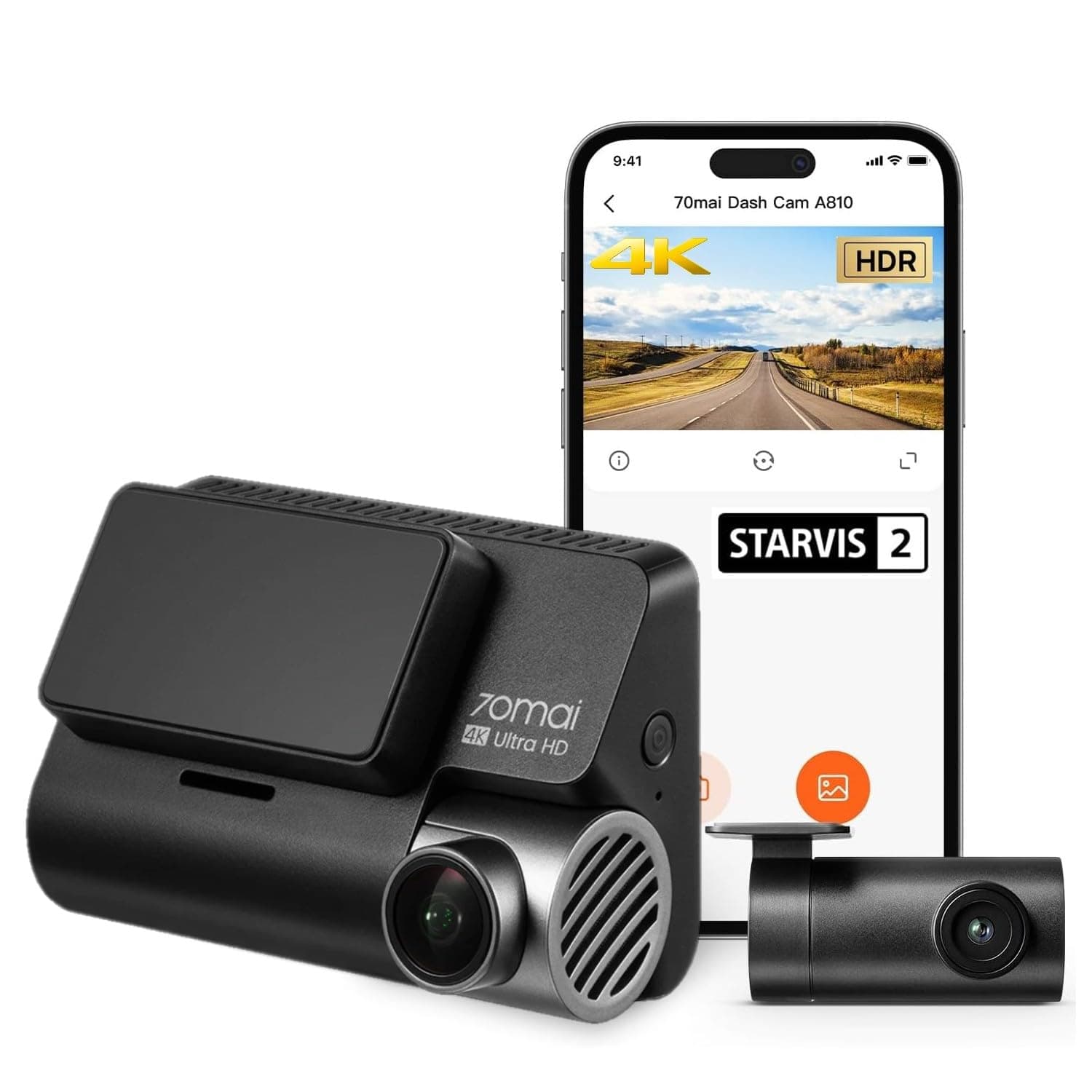

70mai A810 True 4K HDR
Outstanding low-light video — Smart safety alerts
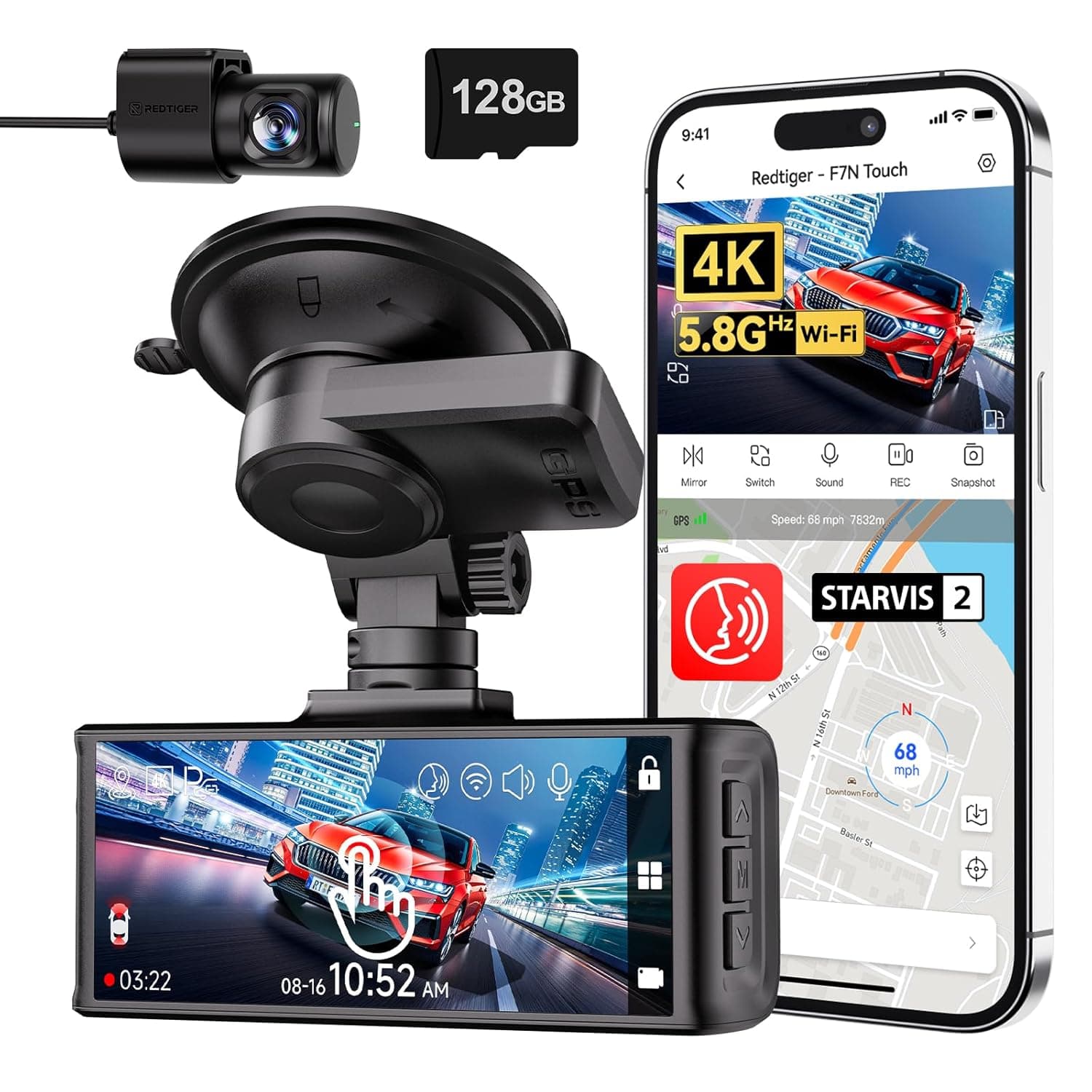

Redtiger F77 Dual 4K
True dual 4K recording — Touchscreen for easy controls
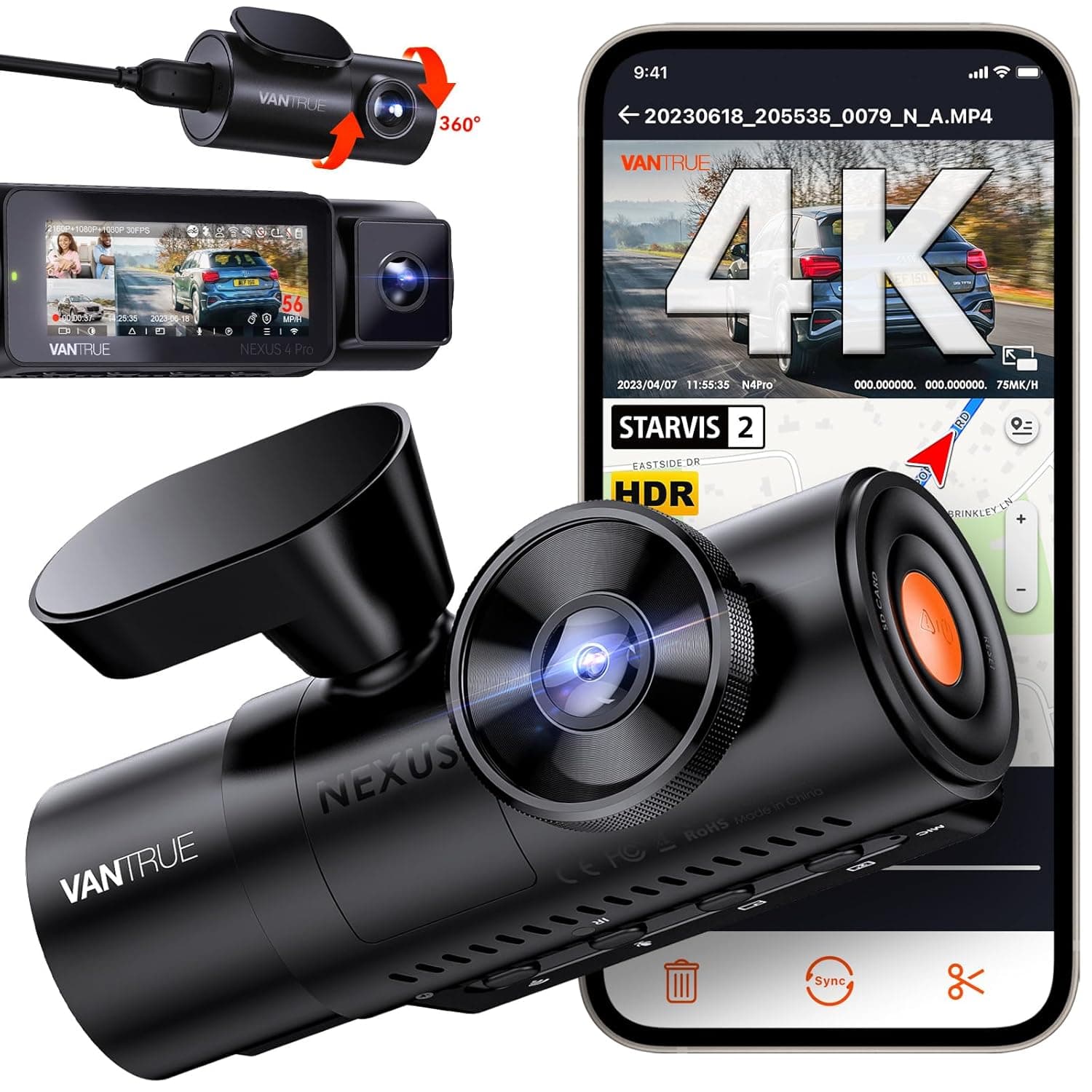

Vantrue N4 Triple Channel
Complete 3-way coverage — Perfect for rideshare/taxi
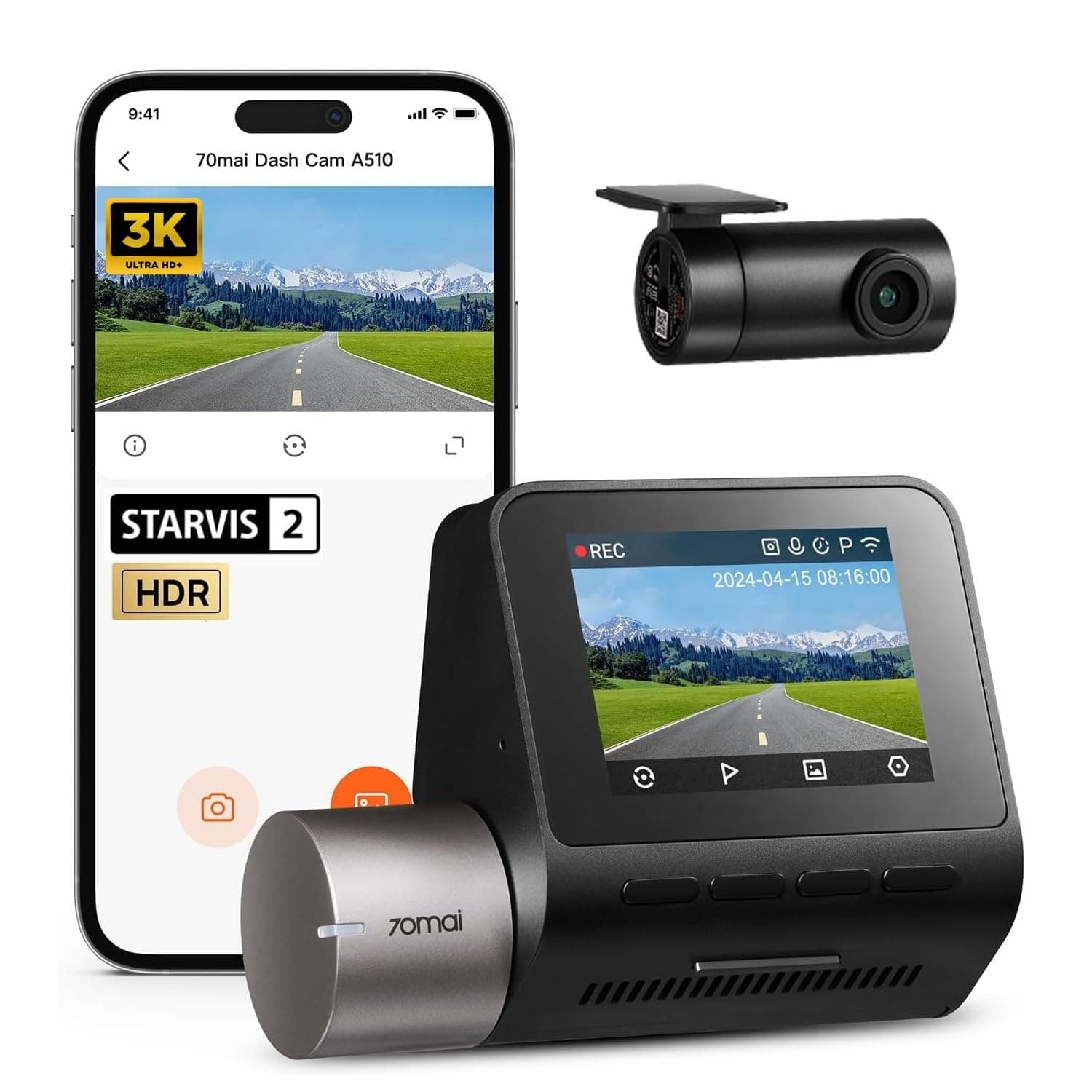
70mai A510 Dual Channel
STARVIS 2 night clarity and GPS — the sweet spot for dual-channel in India
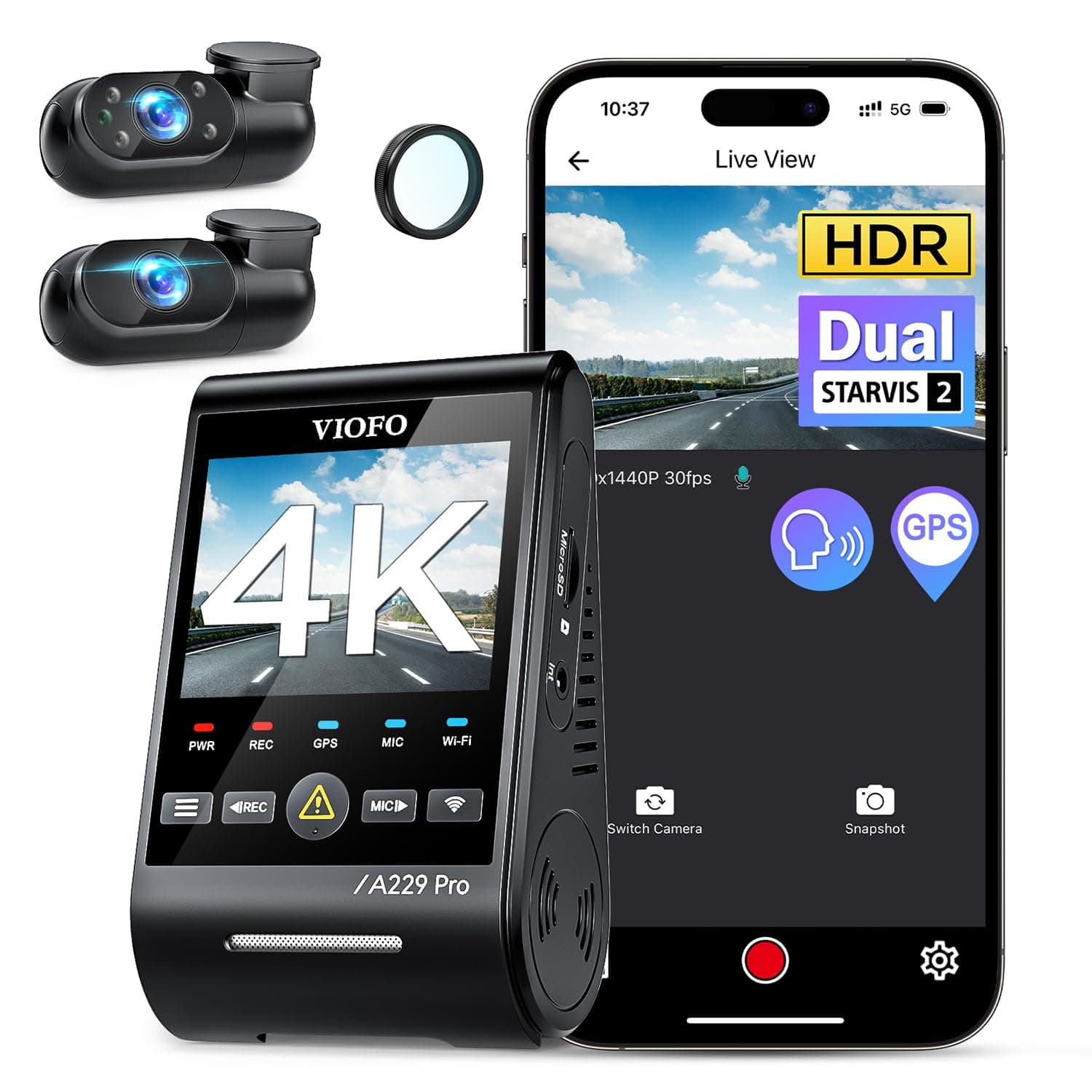
VIOFO A229 Pro Triple
Flexible expansion options — 4K front with STARVIS 2
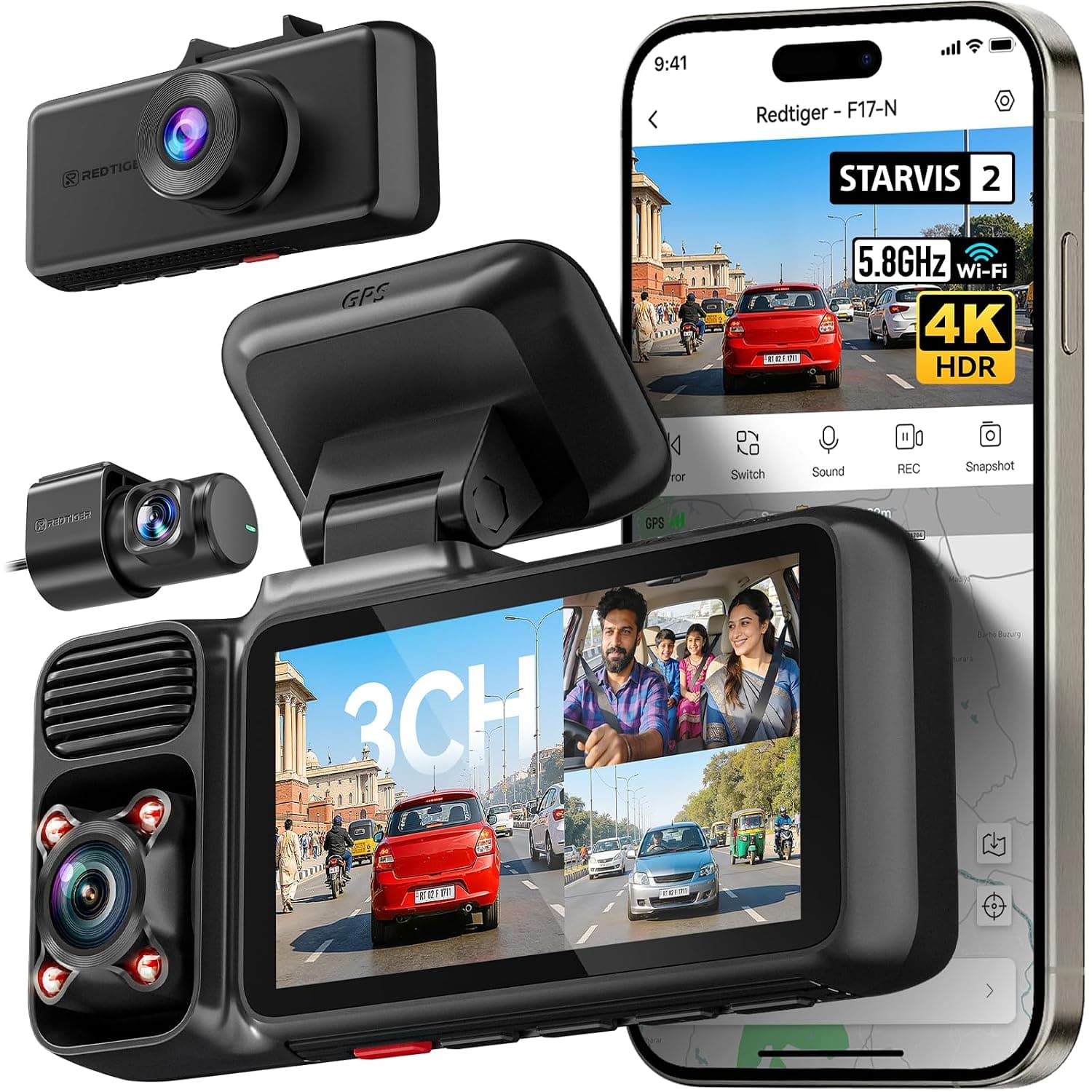
Redtiger F17 Triple 4K
4K STARVIS 2 front + 1080p cabin + 1080p rear — GPS, WiFi, supercapacitor
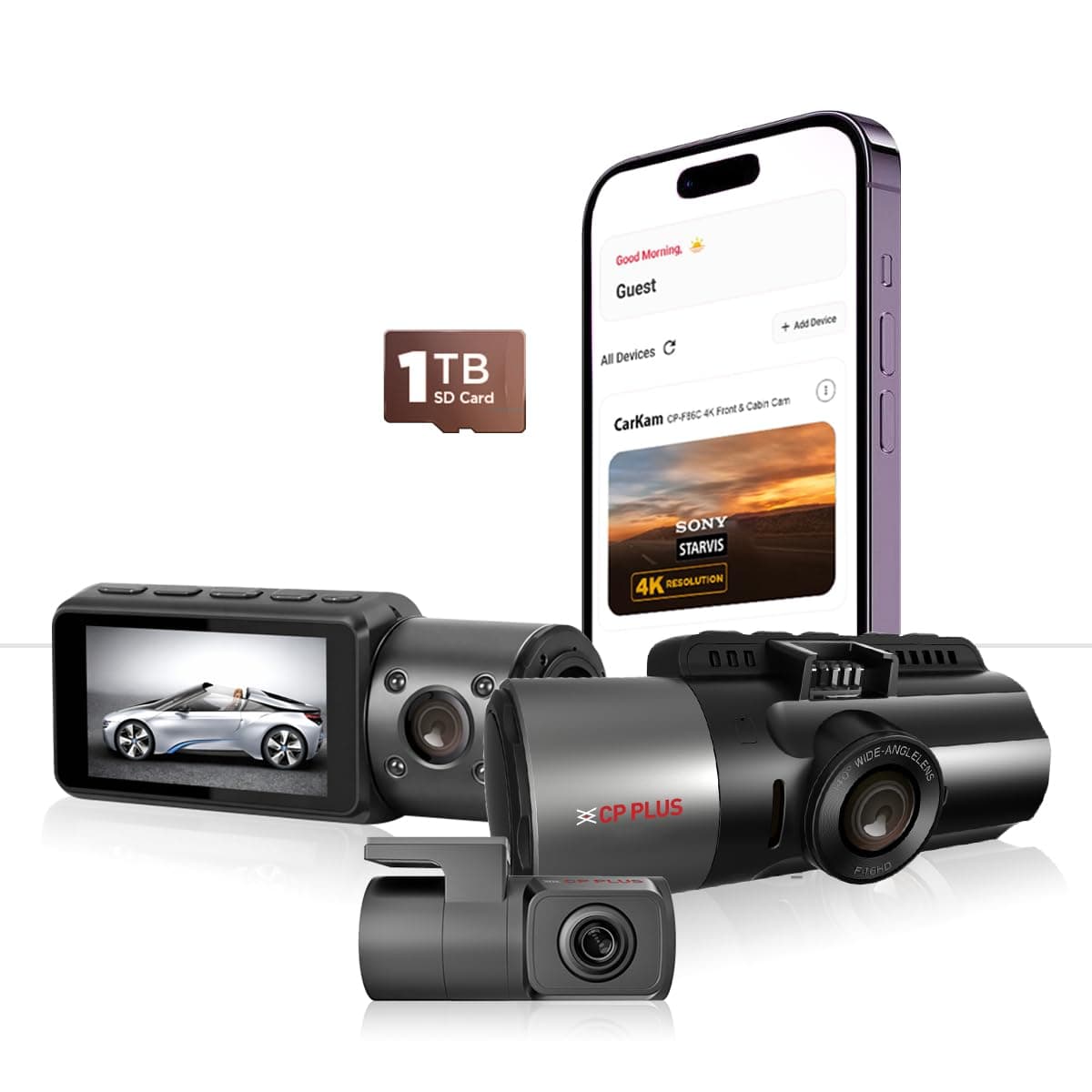

CP PLUS CP-F86C Triple Channel
4K front + cabin + rear CarKam kit with GPS, STARVIS, and supercapacitor
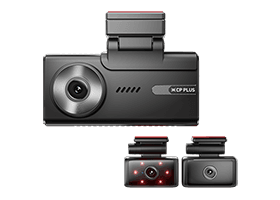
CP PLUS CP-F83C Triple Channel
4K triple-channel CarKam with 4″ touchscreen, GPS, and ADAS (with mode trade-offs)